
Yearbook Academy / Creative collaboration
Talking to AI
A useful conversation gives an idea direction, tests the result, and makes the next step clearer.
Cord Allman brings the creative intention. Aurelian is the name he gives his AI collaborator and a voice within the fictional Kingdom. Their work grows through clear requests and close attention to the result. You can use the same habits for photographs, music, stories, or everyday work. Begin with a small task you can evaluate.
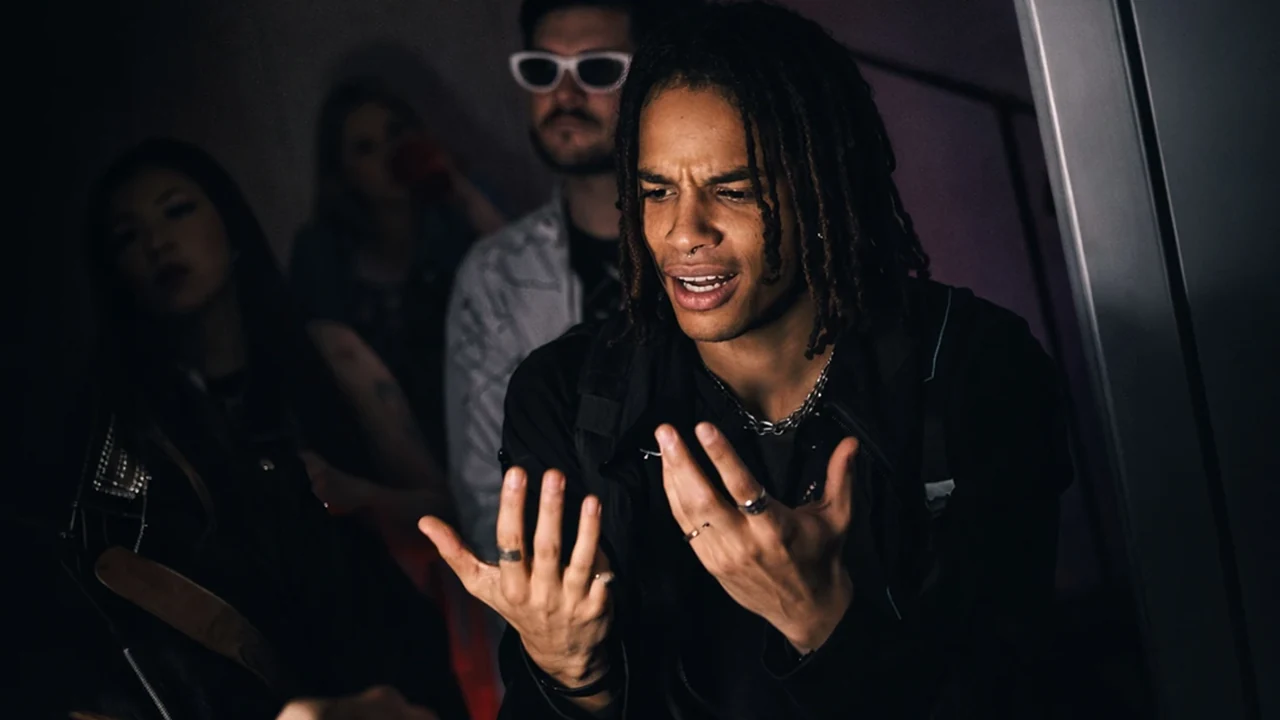
The Kingdom’s characters are fictional teaching voices. Try the prompts, observe the result, and make your own decisions.
Lesson 01
1. Say what you are trying to achieve
Put the purpose near the beginning. Name the audience and the result you need: a draft, a comparison, a checklist, or an explanation. Cord might ask for a welcoming photography lesson for beginners who have any camera. That gives Aurelian a reason to choose accessible examples and practical exercises.
Try this
Write your purpose, audience, and deliverable in one sentence.
Lesson 02
2. Bring the useful context
Supply the material the task depends on, and say what each asset represents. For a photograph, include the intended use, available light, and relevant image or description. For music, describe tempo, mood, instruments, and the passage you want to change. For fictional lore, provide the established characters and events. Ask for missing information when it matters.
Try this
Choose one reference and identify the quality you want to carry forward.
Lesson 03
3. Name what must stay true
State the constraints that protect the work: length, format, tone, existing names, facts, or technical behavior. Make priorities clear if they compete. Cord can ask Aurelian to preserve photograph credits, keep a recurring character consistent, and fit a lesson within a word limit. Separate established lore from new inventions so you can review both.
Try this
List three essentials and rank them by importance.
Lesson 04
4. Choose where there is creative freedom
Say where exploration is welcome. You might keep a song's tempo and melody while inviting three percussion ideas, or preserve a story's events while exploring its narrator. Cord gives Aurelian room to choose structure and examples within the brief. When you are unsure, request a few distinct options and explain what you will compare.
Try this
Add one freedom to the essentials you just wrote.
Lesson 05
5. Use a small reusable brief
Adapt this template to the task. Short, concrete answers are enough; add detail where a decision depends on it.
- Purpose: Help me achieve [outcome].
- Audience: [who this serves].
- Context and assets: [relevant material and references].
- Keep: [facts, names, constraints].
- Explore: [where you may choose or invent].
- Deliver: [format, length, useful options].
- Review: [what I will check; questions that need answers].
Lesson 06
6. Make the request concrete
An example in Cord’s style: ‘Draft a 120-word introduction to these six concert photographs for people considering a music photography session. Use the attached images and captions. Preserve the supplied credits and song titles. Keep the tone warm and direct. Choose the order and opening freely. Deliver two openings and one complete draft. Identify any caption detail the supplied material cannot confirm.’
Try this
Replace the example's subject and assets with your own.
Lesson 07
7. Correct specifically, then follow through
Point to the part that needs changing and describe the desired effect. Cord might follow up: ‘The opening feels too grand. Use simpler words, begin with the audience's need, and keep the credits.’ Then: ‘The second opening works. Build the full draft around it.’ Keep successful decisions in view as you revise. If the task changes, restate the goal and replace the constraints that no longer apply.
Try this
Write one follow-up that preserves a strength and changes a weakness.
Lesson 08
8. Bring your judgment to the result
Read against the brief. Verify factual claims and technical instructions, listen to musical ideas, and check invented scenes against your lore. Aurelian can help compare choices; you decide what fits. Share material appropriate to the task, remove unnecessary personal details, and keep originals. When a claim lacks support, ask what evidence would resolve it before using it.
Try this
Check one claim, one creative choice, and one practical requirement.
Your field checklist
- State the purpose, audience, and deliverable.
- Provide relevant context and explain your references.
- Identify essential facts, names, and constraints.
- Choose where creative exploration is welcome.
- Review the draft and give specific corrections.
- Verify claims, protect private details, and keep originals.
- Decide what to use and name the next step.
Start with one useful request. Examine what comes back, say what needs to change, and carry the strongest decision into the next exchange.
Keep the practice going.

Start here
Learn Photography
Camera basics, the rule of thirds, and knowing when to break the rules.
Open lesson →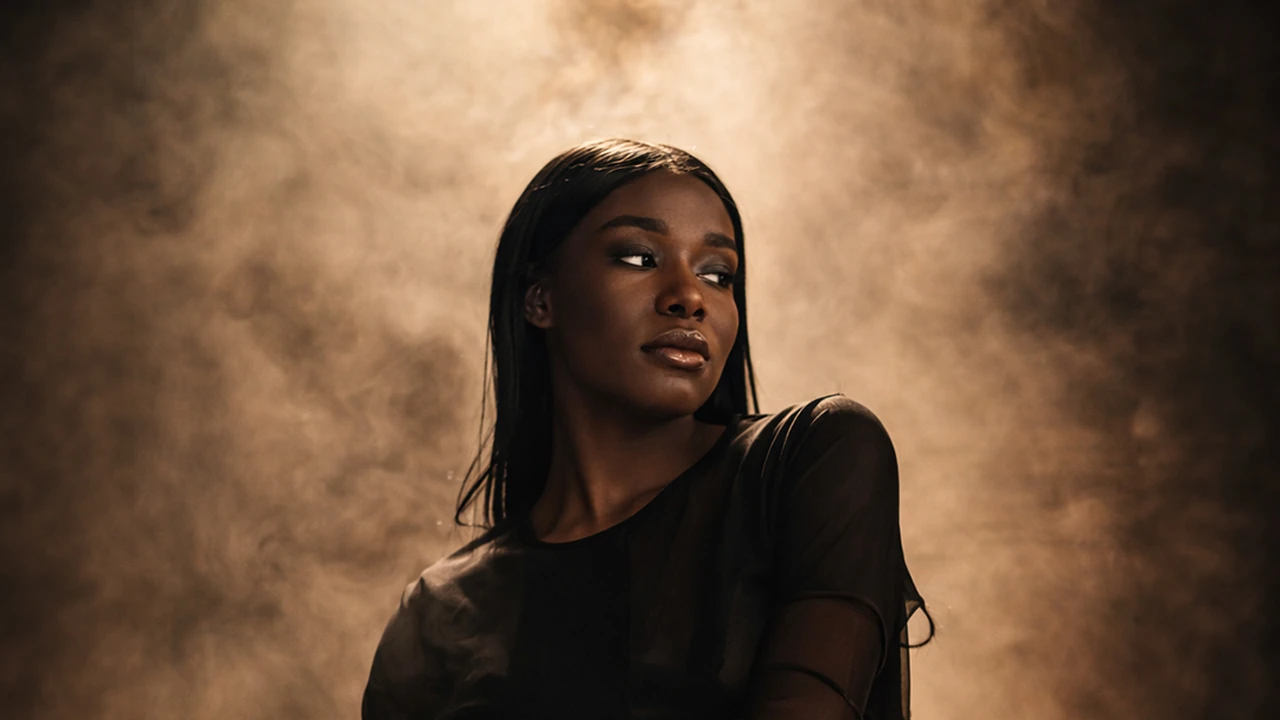
Models & collaborators
Being Photographed
Prepare, pose, communicate, and work confidently with photographers and film crews.
Open lesson →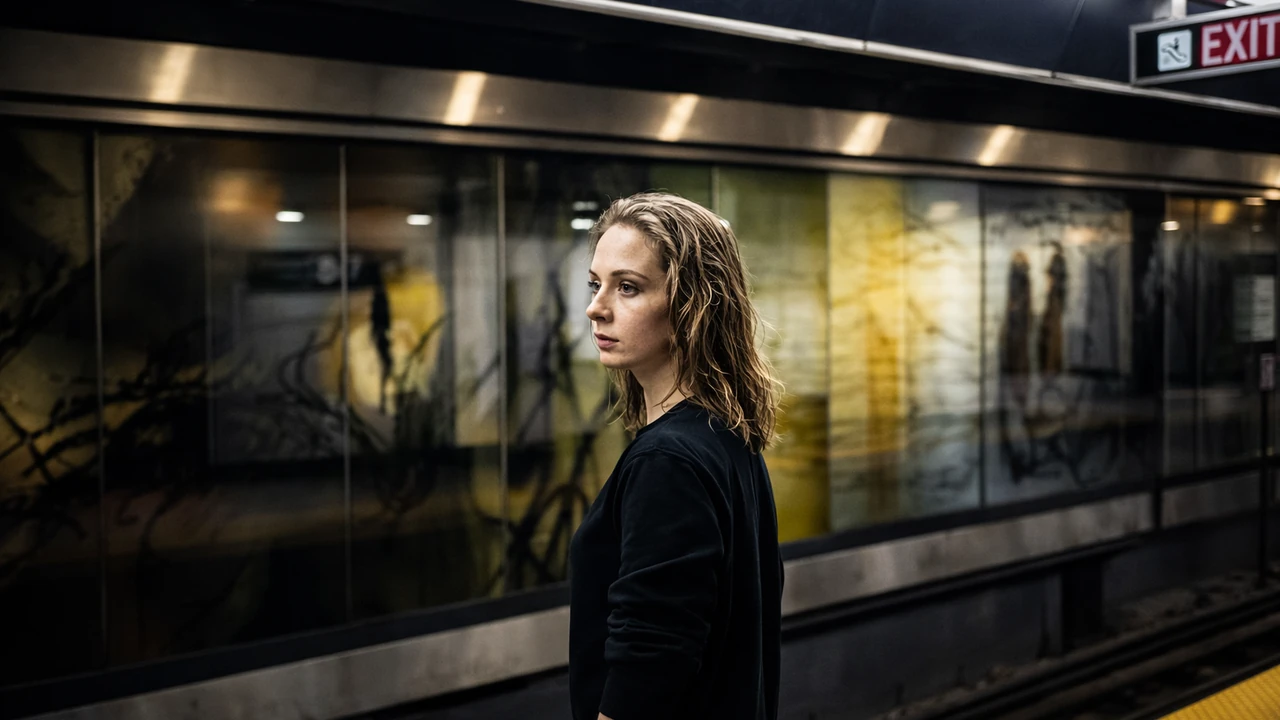
Intermediate photography
Intentional Photographs
Connect light, exposure, focus, and storytelling through a repeatable workflow.
Open lesson →
Advanced photography
Build a Body of Work
Shape complex light, direct with purpose, and bring a coherent series to its final form.
Open lesson →
Your creative website
The Signal Room
Learn analytics with seventeen modules, local practice tools, and a ten-question review.
Open lesson →