Yearbook Academy / Field guide
Movement: freeze the gesture or follow the flow
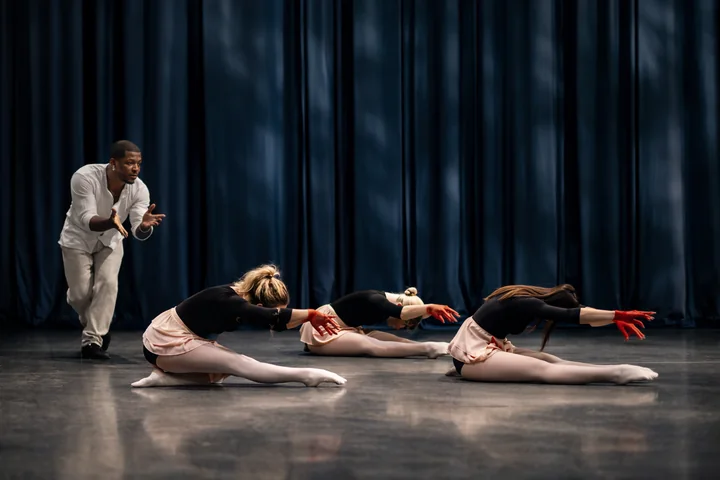
Use shutter speed and your own movement to choose how action feels. A sharp instant and a moving blur can both tell the truth of a moment.
Suggested settings are starting points. Light, subject speed and your own observations decide the next adjustment.
Choose what should stay sharp
Shutter speed decides how long movement can travel across the image during an exposure. A short exposure can hold a gesture; a longer exposure allows more blur. Subject speed, direction, distance and focal length all affect the result.
For lively gestures, try around 1/500 second as a first experiment, or 1/1000 for faster action. Check the actual frame rather than assuming those values will freeze every subject. Let ISO rise or open the aperture if the light requires it, within the quality and depth of field you need.
Pan from a safe position
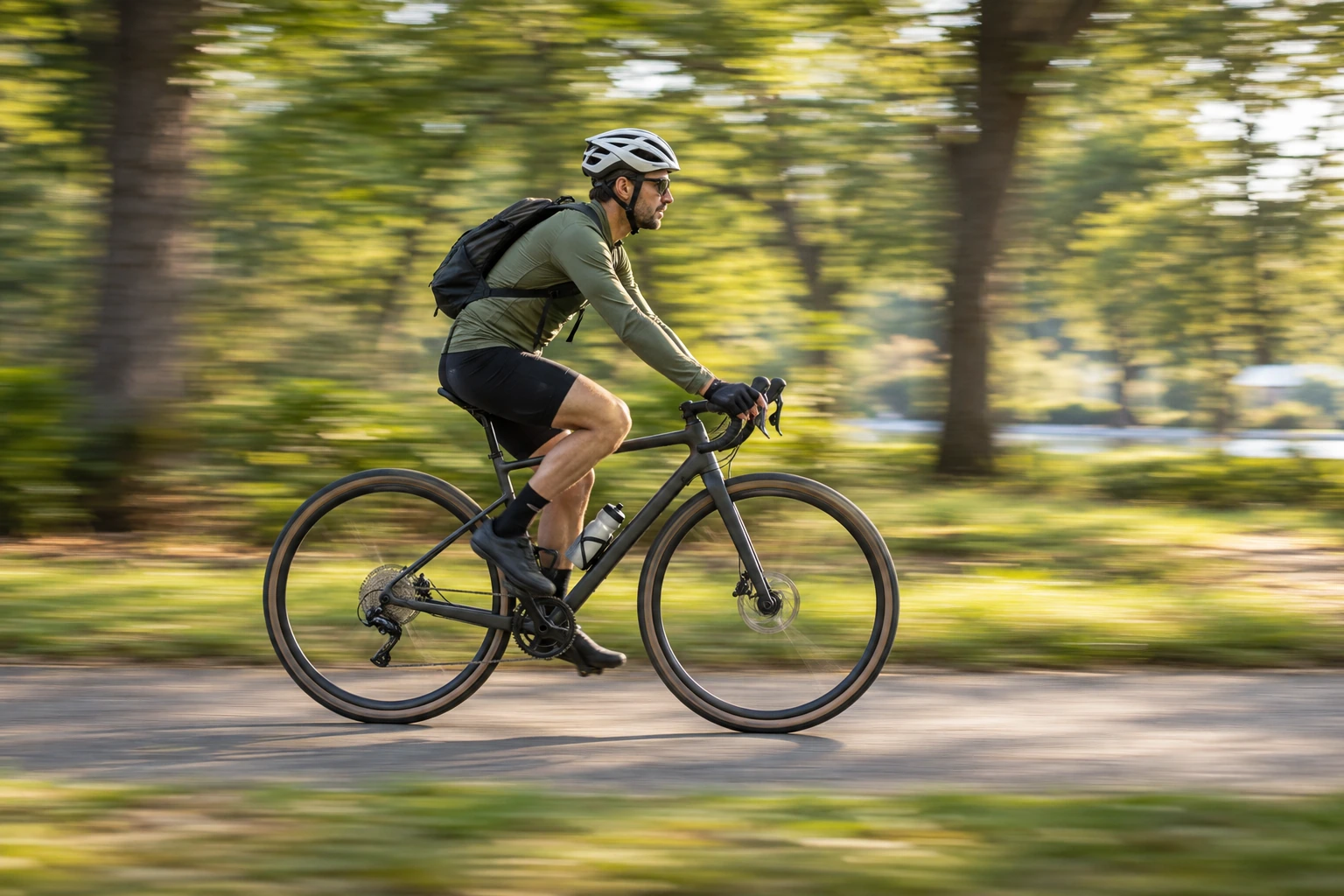
Panning means following a moving subject during a longer exposure. The aim is a readable subject against a background that shows motion. Practise beside a safe, predictable route with a willing subject; keep clear of traffic and other path users.
- Choose a background with some detail and a subject moving across your view.
- Start around 1/60 second; try 1/30 if you want more blur. These are experiments, not fixed rules.
- Follow the subject smoothly before pressing the shutter. Turn with the movement and keep following after the exposure.
- Review the face or another important detail. If everything smears, practise a smoother follow or shorten the exposure. If the background barely moves, try a longer exposure.
Focus, framing and the two lenses
Continuous autofocus can help with a moving subject, but check that the focus area stays where you need it. A predictable crossing point can also be a place to practise pre-focusing. Use the method that gives you consistent results in that situation.
With Cord’s 35mm and 75mm lenses, practise with the wider view first if following the subject is difficult. A tighter view makes small framing errors more obvious. Leave room ahead of the motion, then try less room and compare the tension.
Make a pair, not just a burst
Photograph the same safe movement twice: once with a short exposure and once with a pan. Choose one frame from each approach. Explain what the crisp version reveals and what the blur communicates.
The cyclist illustration is generated to make the concept easy to see. Real panning often leaves some subject blur, especially in moving legs and wheels. A little imperfection can be part of the energy.